


The Pacific makes its mark in Glasgow
Athletes from across the region delivered medals, milestones and unforgettable moments.
From record-breaking lifts to history-making medals, Pacific athletes made Glasgow 2026 a Commonwealth Games to remember.
Tonga’s Joshua Uikilifi, danced after successful lifts, winning over the crowd and lighting up the internet as he finished fourth in the men’s 110kg weightlifting event.
Tongan netballer Uneeq Palavi, described her team’s victory over Wales in their first-ever Commonwealth Games campaign as feeling like “a gold medal for us”.
And Naoero’s Ezekiel Moses, representing the Commonwealth’s smallest member state and the world’s third-smallest country, could only imagine the celebrations taking place back home after claiming bronze in the weightlifting.
“They keep waking up in the middle of the night to watch me, see my success and my results,” he said. “I hope they’re having a party right now.”
The Games also delivered moments of genuine sporting history.
Eighteen-year-old Samoan weightlifter Seine Stowers became the first Pacific athlete to win gold at Glasgow 2026, breaking multiple Commonwealth Games records on her way to the women’s 77kg title. Fiji’s Taniela Rainibogi added another gold for the region, setting a Games record in the men’s 110kg weightlifting event.
Pacific women also broke new ground in the boxing ring. Fiji’s Jasmine Daunakamakama, Tuvalu’s Tarona Taafaki, Niue’s Karena Te Ruki Pasene and Samoa’s Danielle Holland became the first female boxers to represent their nations at a Commonwealth Games.
For Taafaki, the milestone became even more significant. Her bronze medal was the first Commonwealth Games medal in Tuvalu’s history, coming 28 years after the nation made its debut.
“Most people don't know where Tuvalu is, and to create history … now they know we exist!” she said.
Across 10 days of competition, moments like these told the story of a region whose impact has never been determined by population size.
Behind each achievement were years of hard work and commitment – from the athletes themselves, and from the coaches, officials, sporting organisations, families and communities who supported them across the Pacific. Through
PacificAus Sports, the Australian Government has been proud to partner with many of those sporting bodies, helping create opportunities for international matchplay, high-performance training, professional development and other pathways on the road to Glasgow.
In Glasgow, that collective effort was on show for the world to see.
Cook Islands
The Cook Islands celebrated breakthroughs on the track and in the pool. Max Teuruaa set national records in both the decathlon and pole vault, while swimmer Jacob Story became the first Cook Islander to reach a Commonwealth Games aquatics final with his performance in the men’s 200m breaststroke. The nation also continued its proud presence in lawn bowls, competing in an increasingly competitive field featuring strong representation from Pacific and African nations.
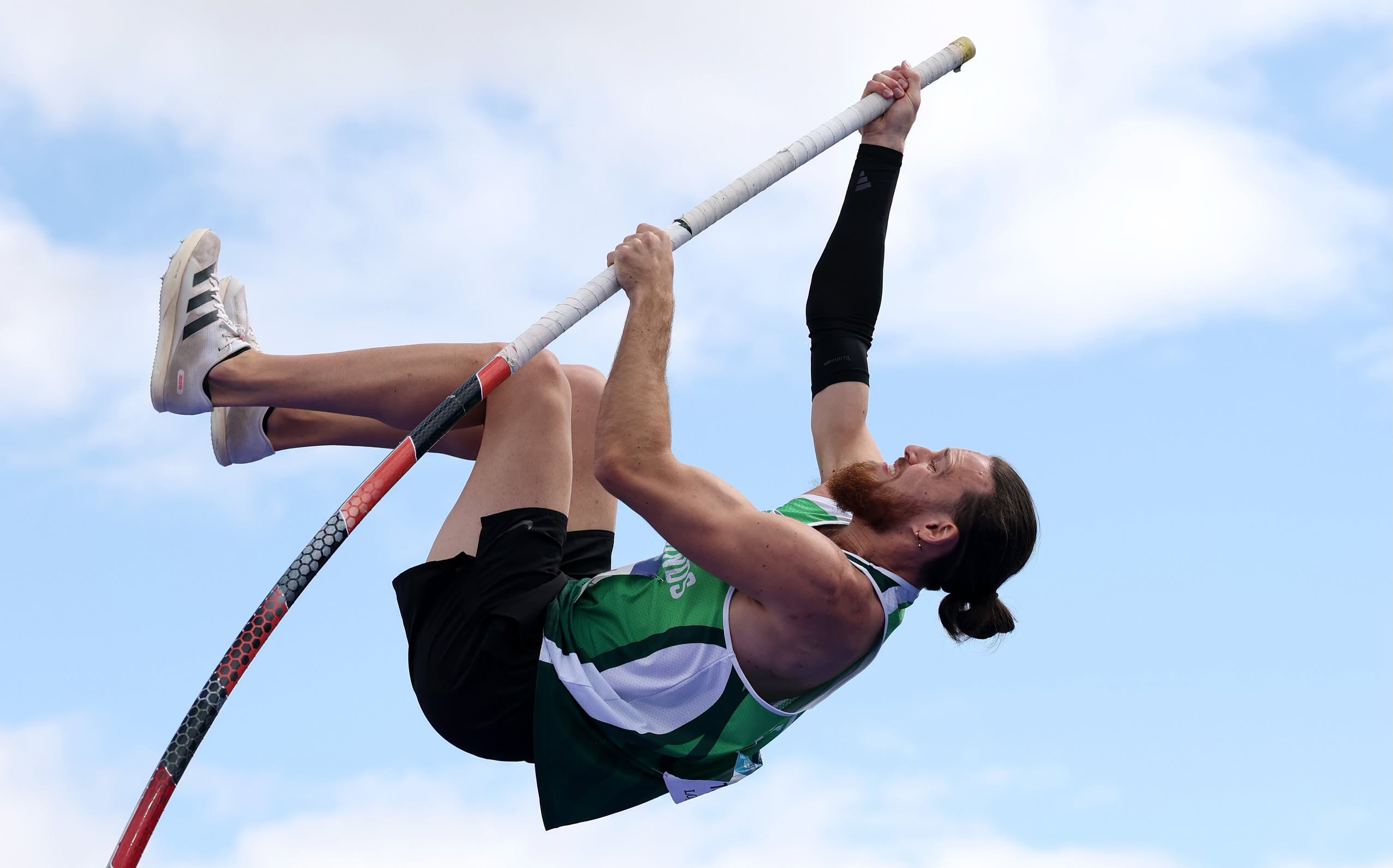
Max Teuruaa from the Cook Islands set national records in both the decathlon and pole vault. (Credit: Getty Images for Glasgow 2026 / Oceania Athletics)
Fiji
Taniela Rainibogi added to Fiji’s golden campaign in the men’s 110kg weightlifting, claiming gold with a Games-record total of 378kg. Jasmine Daunakamakama also made history in the boxing ring, securing bronze in the women’s 57kg division. Fiji also made waves in the pool, with David ‘Tolu’ Young becoming the first Fijian to reach a Commonwealth Games men’s 50m freestyle individual final. The country also broke new ground in 3x3 basketball, with both its women’s and men’s teams making their Commonwealth Games debuts.
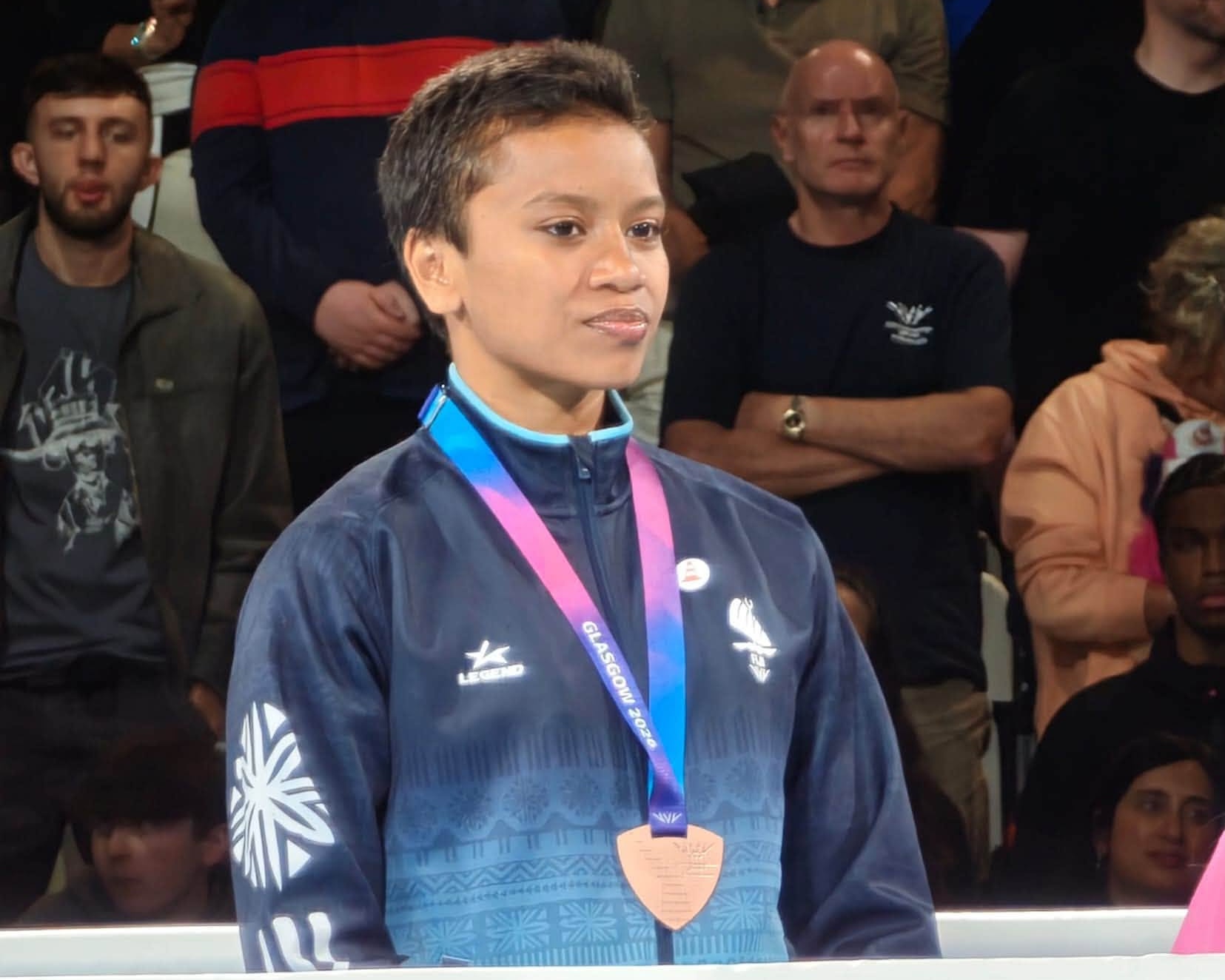
Jasmine Daunakamakama is presented with her bronze medal for the women’s 57kg Boxing. (Credit: Team Fiji)
Kiribati
Sprinter Kenaz Kaniwete set a new national record for Kiribati in the men’s 100m, adding another milestone to the nation’s Commonwealth Games campaign. Kiribati athletes also competed in boxing, judo and weightlifting, continuing to expand the country’s presence across a growing range of sports on the international stage.
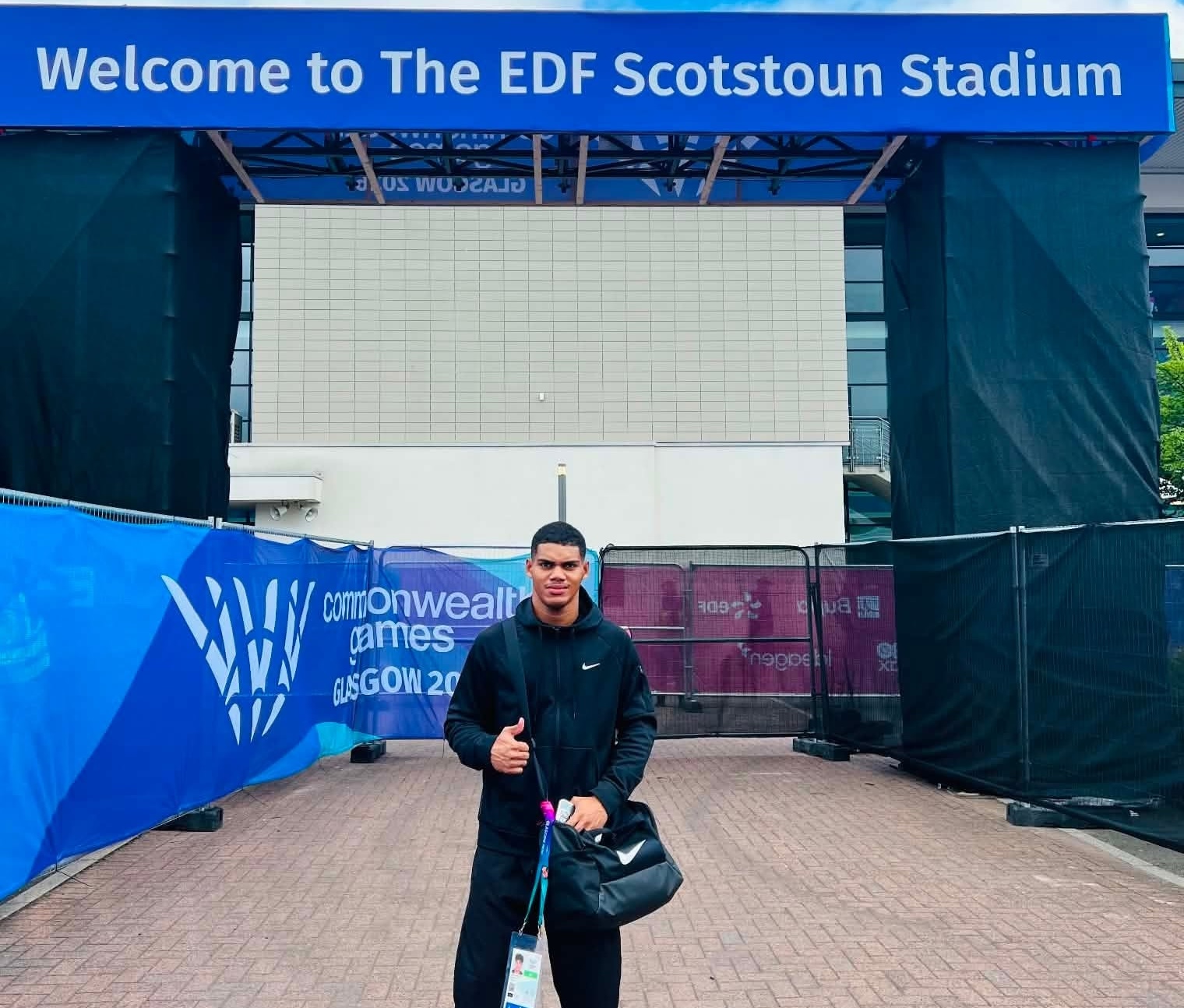
Sprinter Kenaz Kaniwete ahead of the competition. (Credit: Kiribati Athletics Association)
Naoero
A nation of around 12,000 people left Glasgow with two weightlifting medals. Ezekiel Moses claimed bronze in the men’s 71kg division before 17-year-old Femily Crystie-Notte added another bronze in the women’s 63kg division. Naoero also featured in the men’s shot put final, where Jonathan Detageouwa produced a season-best throw of 16.99m to finish 10th overall.
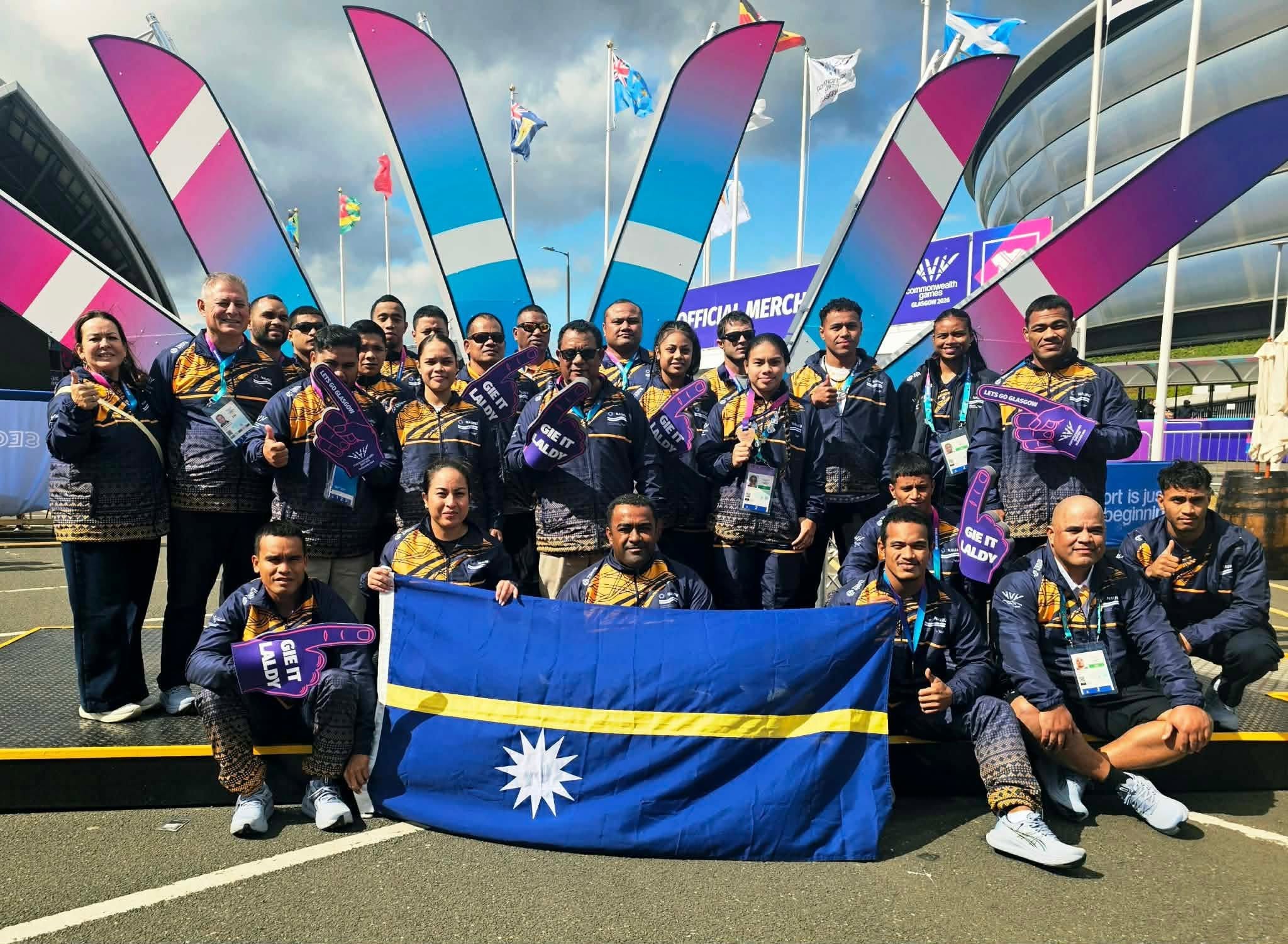
Competitors from Naoero take one last team photo before heading home. (Credit: Naoero National Olympic Committee)
Niue
For Niue – the smallest nation by population competing in Glasgow – lawn bowls provided an opportunity to line up against some of the world’s best. Five of Niue’s approximately 1,900 citizens competed in the sport, including husband-and-wife duo Keith and Catherine Papani. Niue also made history in the boxing ring, with Karena Te Ruki Pasene becoming the nation’s first female boxer to compete at a Commonwealth Games.
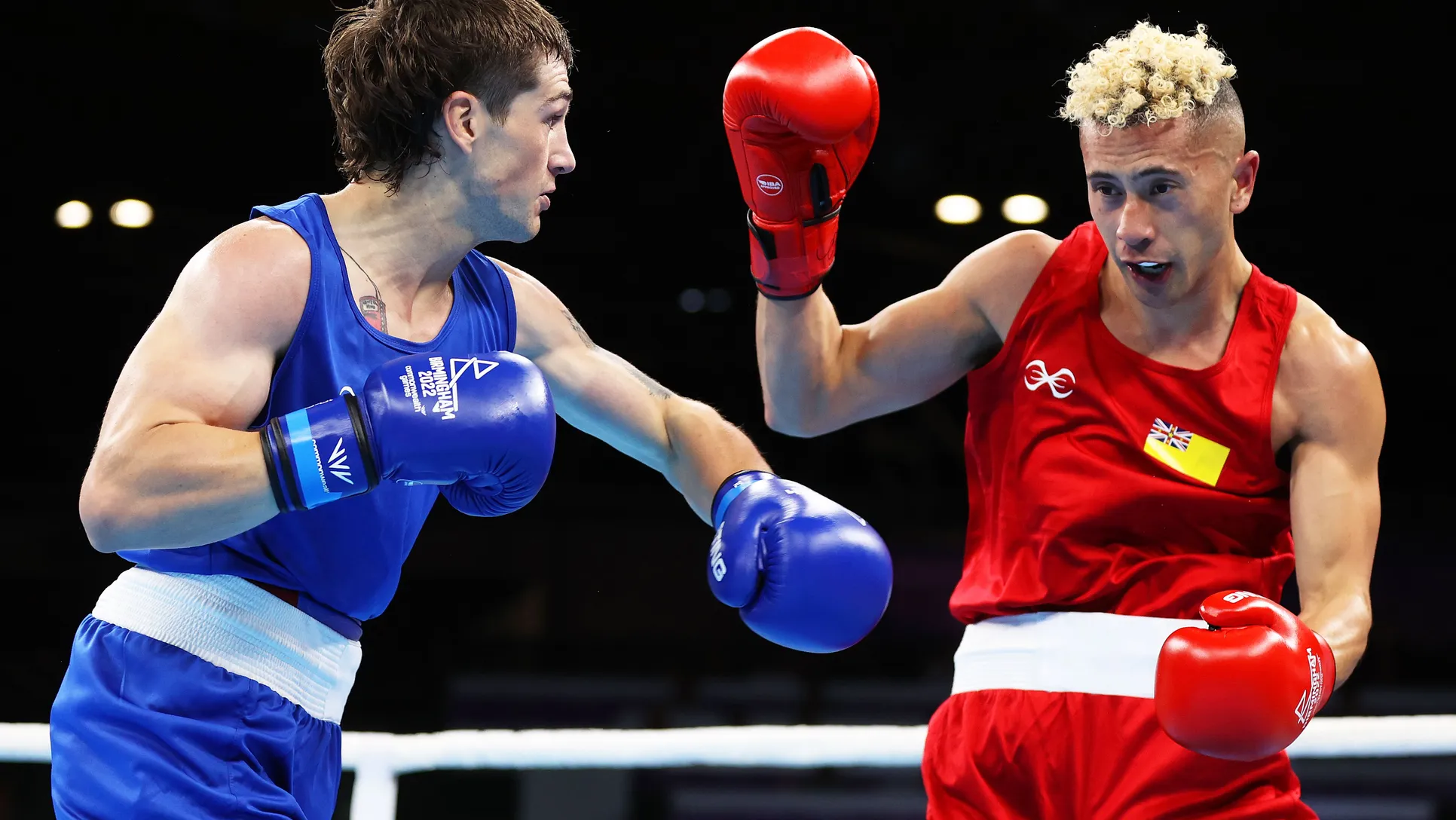
Niue showed its competitive spirit in bowls, boxing and athletics. (Credit: Commonwealth Sport)
Papua New Guinea (PNG)
Morea Baru won the Pacific’s first medal of the Games, taking bronze in the men’s 65kg weightlifting division. It was the experienced lifter’s fourth Commonwealth Games medal, adding to the two silvers and one bronze he had in previous campaigns.
The PNG women’s 3x3 basketball team made their debut at the Commonwealth Games.
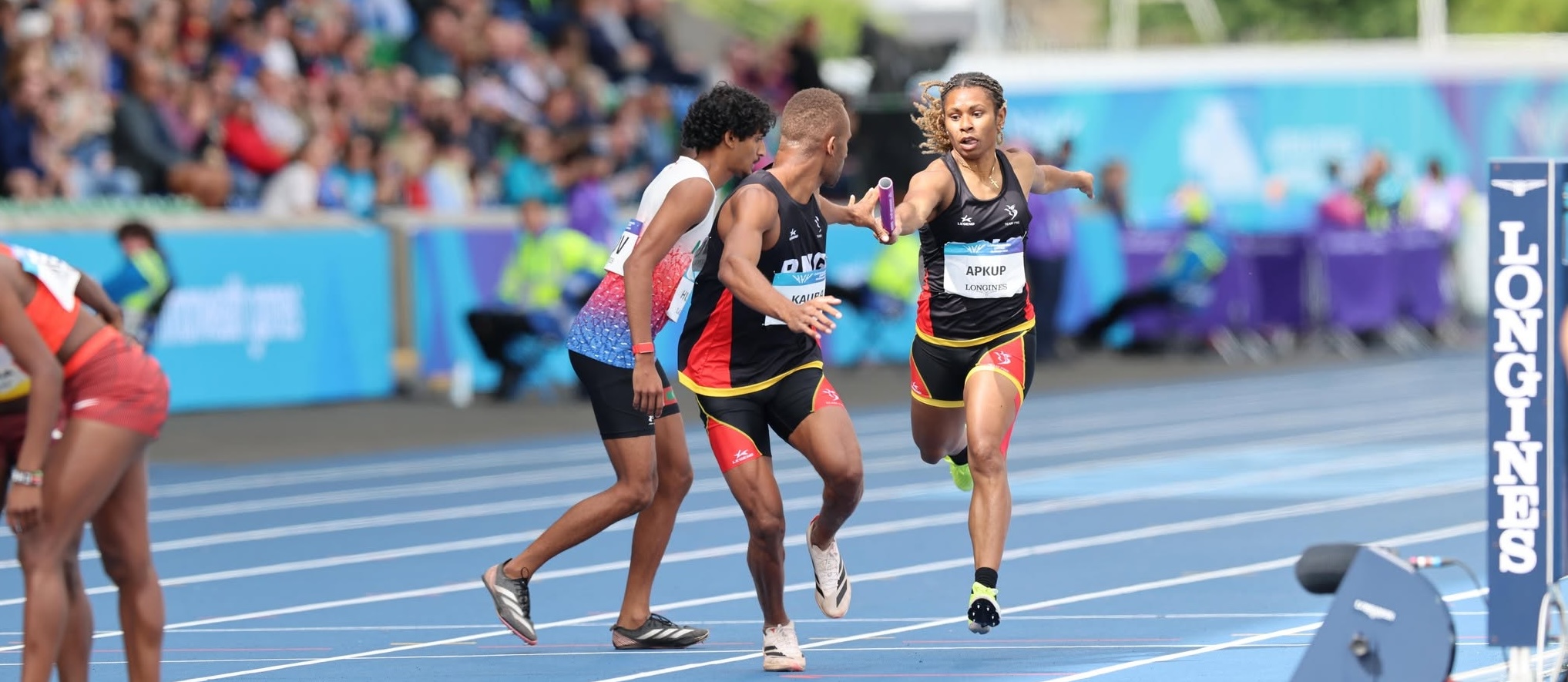
On the track Jiuteis Robinson set a PNG record in the One-Mile event – an iconic race returning to the Games program in Glasgow after a 60-year absence. Para-athlete Jerome Bunge also delivered a personal-best throw of 9.05m in the men’s F57 shot put.
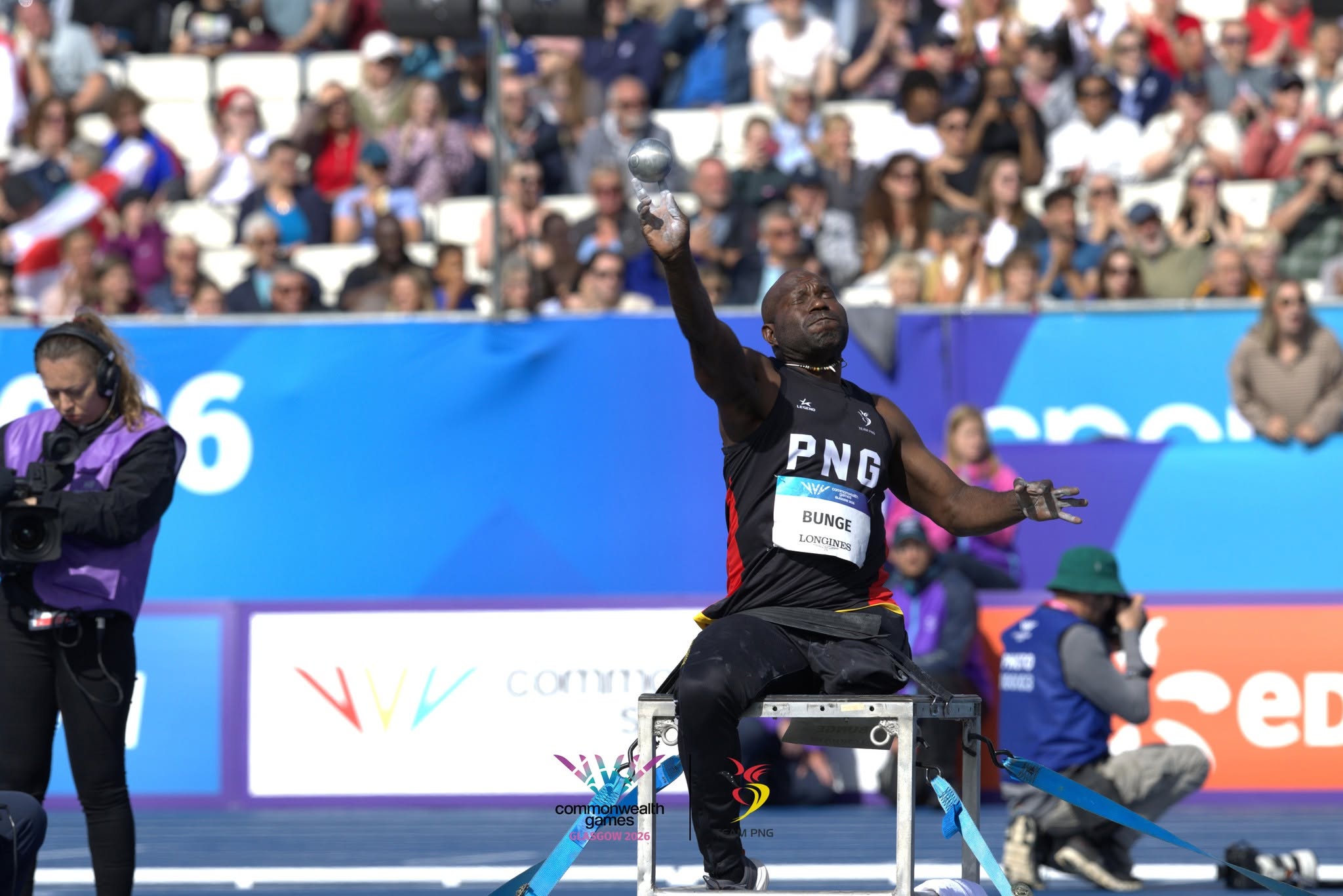
Jerome Bunge represented PNG in the shot put at the Glasgow Games (Credit: Getty Images for Glasgow 2026 / Oceania Athletics)
Samoa
Weightlifting again delivered for Samoa. Seine Stowers, 18, followed in the footsteps of her older sister, Feagaiga Stowers, to claim gold, lifting a Games-record total of 237kg. John Lautafi Tafi added silver in the men’s 71kg division, setting a Games record in the clean and jerk.
Samoa also marked milestones beyond the weightlifting platform. On the track, Symone Tafuna’i made history as the first Samoan woman to qualify for the Commonwealth Games 100m. While in the pool, Samoa’s mixed 4x100m freestyle relay squad broke the national record by more than four seconds.
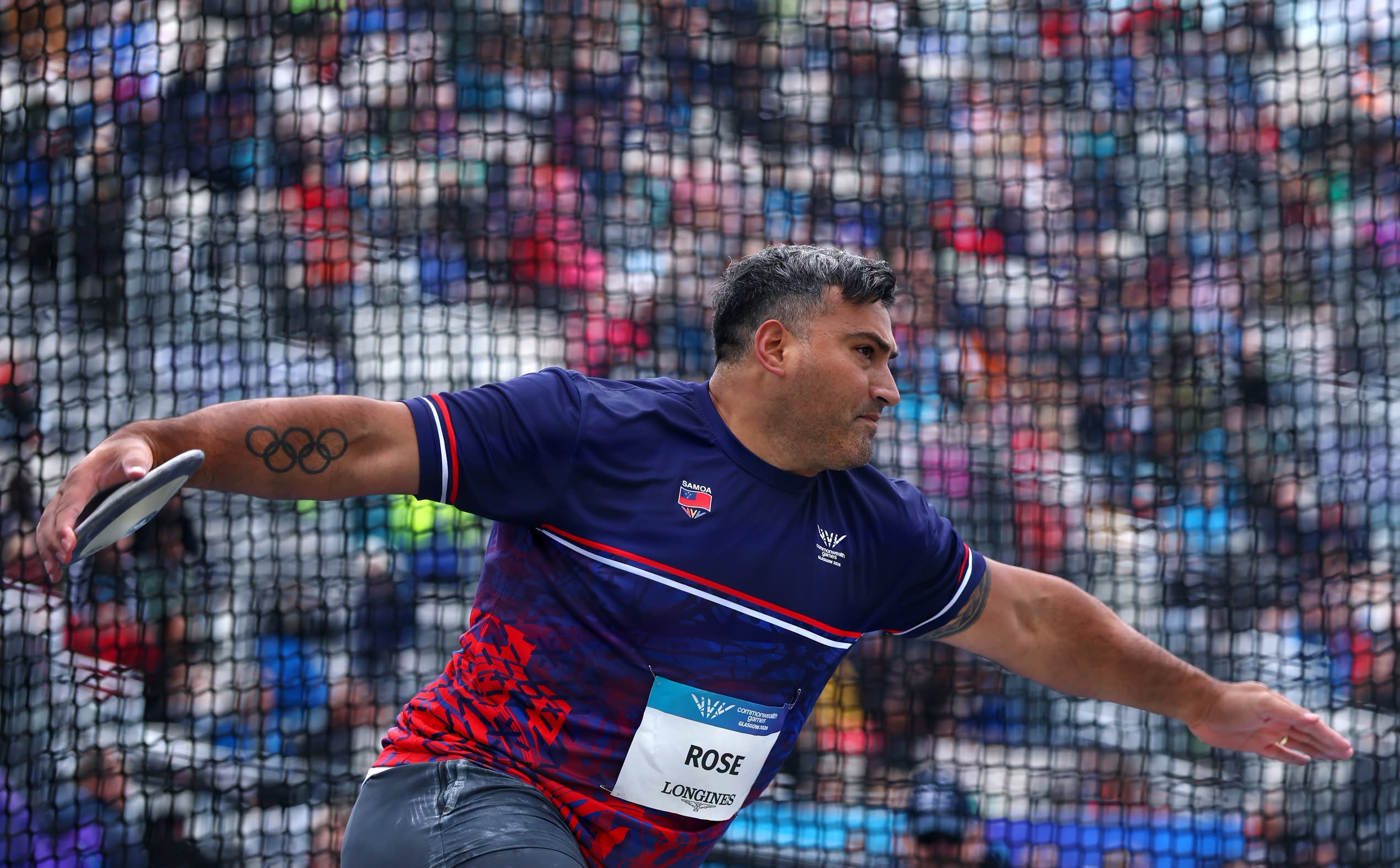
Athletes and para-athletes from Samoa competed in events including weightlifting, boxing, judo, swimming and athletics. (Credit: Getty Images for Glasgow 2026 / Oceania Athletics)
Solomon Islands
Para-athlete Moffet Tolomae added another discipline to an extraordinary sporting resume when he represented the Solomon Islands in para powerlifting. A Pacific Games medallist in para archery and wheelchair racing, Tolomae, finished 11th in the men’s lightweight event and carried the baton for Solomon Islands at the Opening Ceremony.
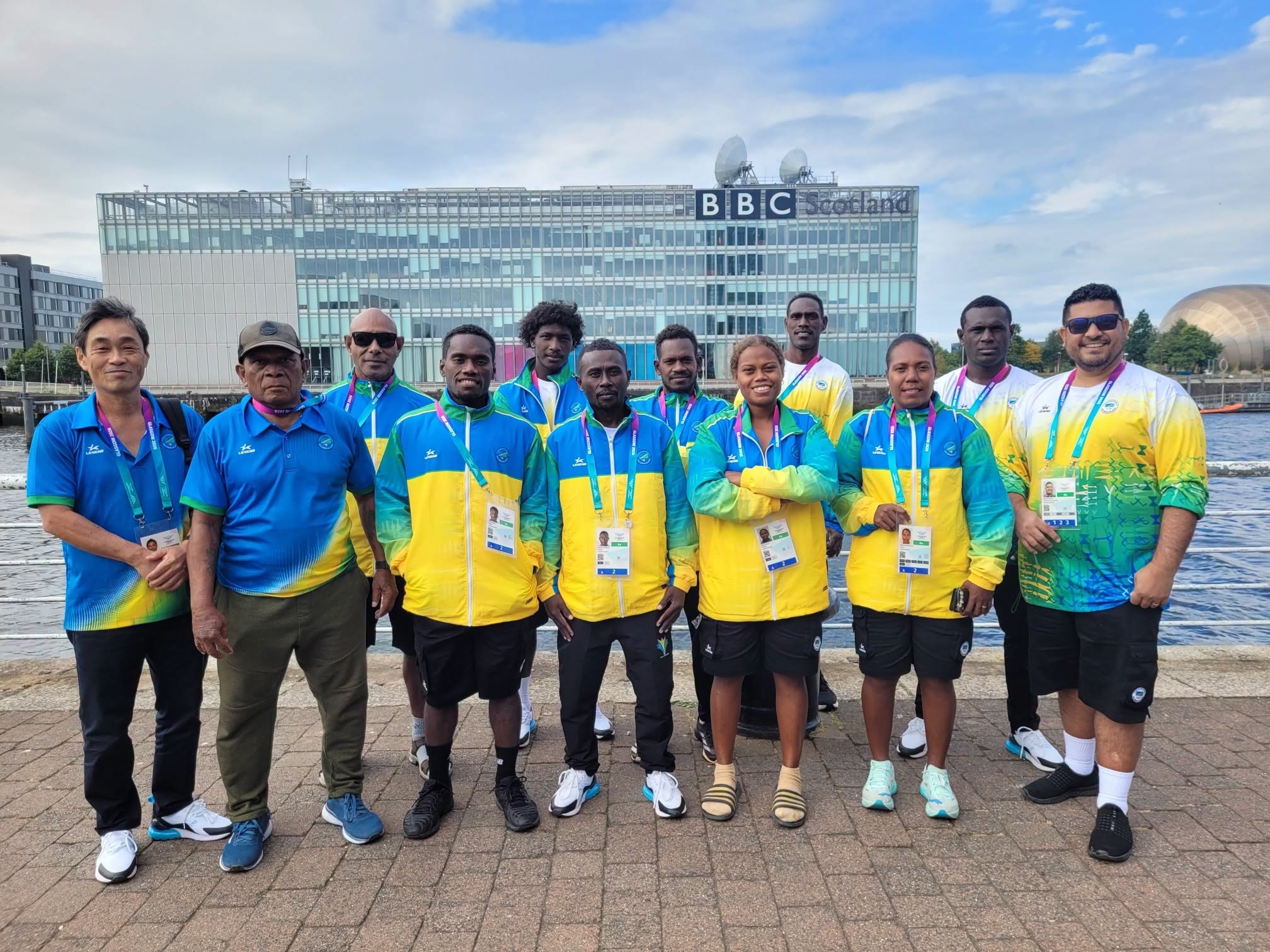
The team from Solomon Islands represented their nation with pride. (Credit: Solomon Star News)
Tonga
Paula Monta broke new ground for Tonga, becoming the country’s first Commonwealth Games judo medallist with bronze in the men’s +100kg division.
“There aren't that many Tongan kids out there who do judo, so I did it because I wanted to be different,” he said. “I wanted to open a new door for Tongan kids back home, so they can see that judo can be another path for them.”
Tonga’s women also made their Commonwealth Games 3x3 basketball debut, while the Tala became the first Tongan netball team to compete at the Games. They finished ninth after defeating Wales and retained their place among the world’s top 10 as they look ahead to hosting the Oceania World Cup Qualifiers in September.
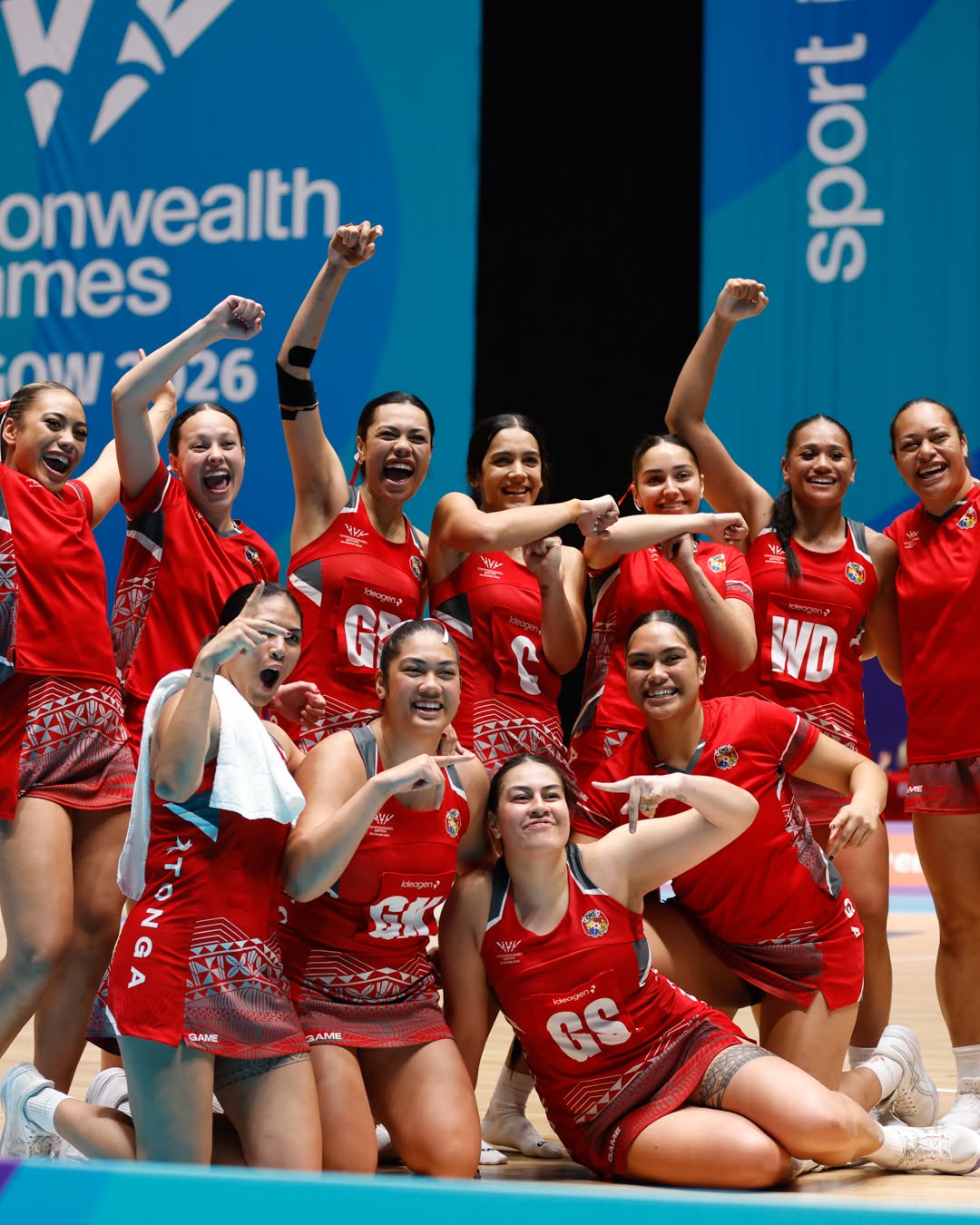
The Tonga netball team made their Commonwealth Games debut in Glasgow. (Credit: Netball Australia)
Tuvalu
Tarona Taafaki’s bronze in the boxing ring made history for Tuvalu. Competing in her first Commonwealth Games alongside her younger brother Pasoni Taafaki – Tuvalu’s flag bearer at the Opening Ceremony – Tarona became the first athlete from the nation of just over 9,700 people to stand on a Commonwealth Games podium.
“It feels good, and I'm really proud to represent my country on the world stage,” she said.
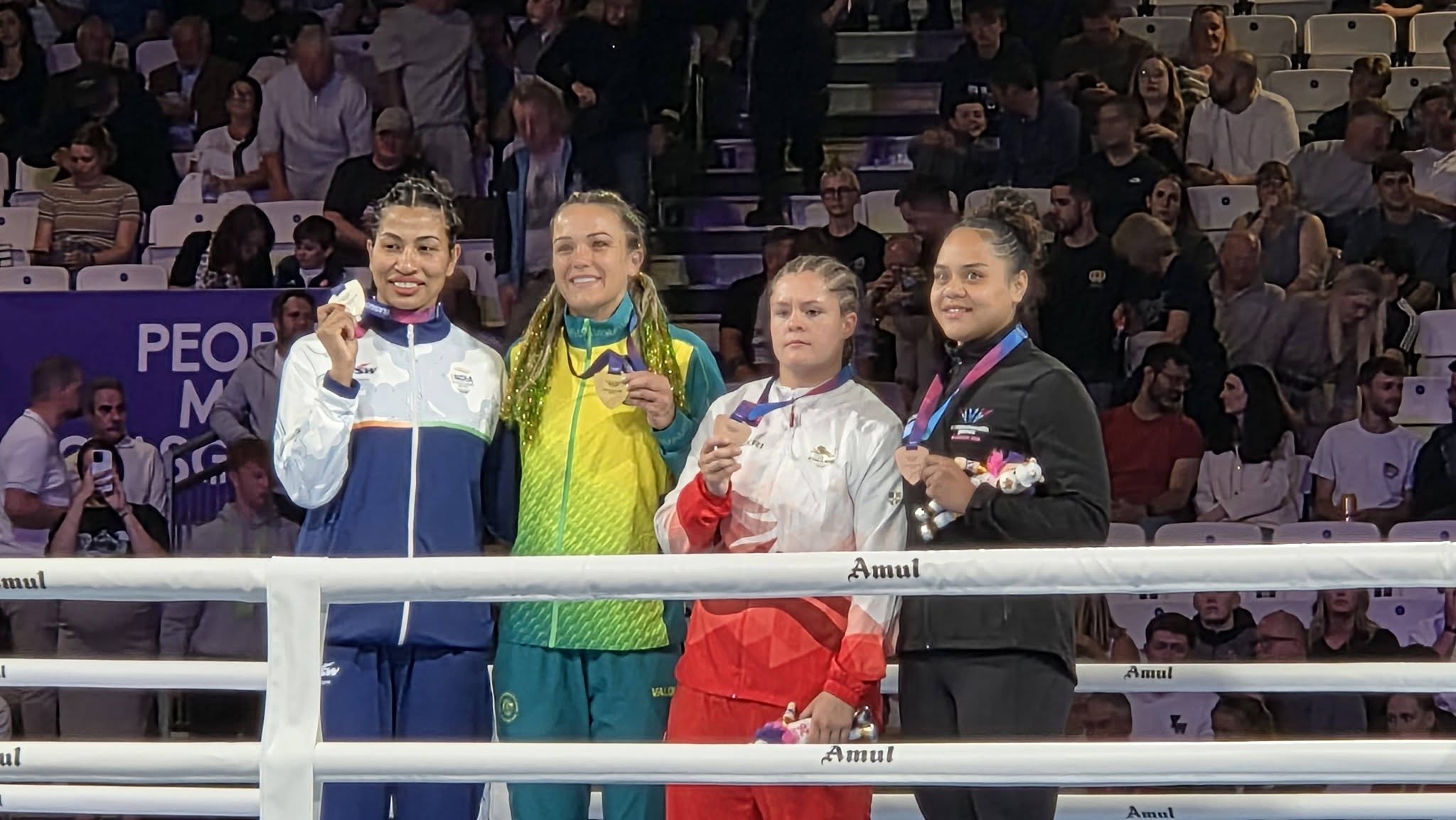
The first athlete from Tuvalu to stand on a Commonwealth Games podium. (Credit: Tuvalu Association of Sports and National Olympic Committee)
Vanuatu
Fourteen athletes represented Vanuatu across athletics, judo, swimming, boxing, para powerlifting and weightlifting – a broad sporting presence for a nation of its size. The team included para powerlifter Marek Sahi, alongside emerging athletes across individual sports, reflecting Vanuatu’s growing presence on the international stage.
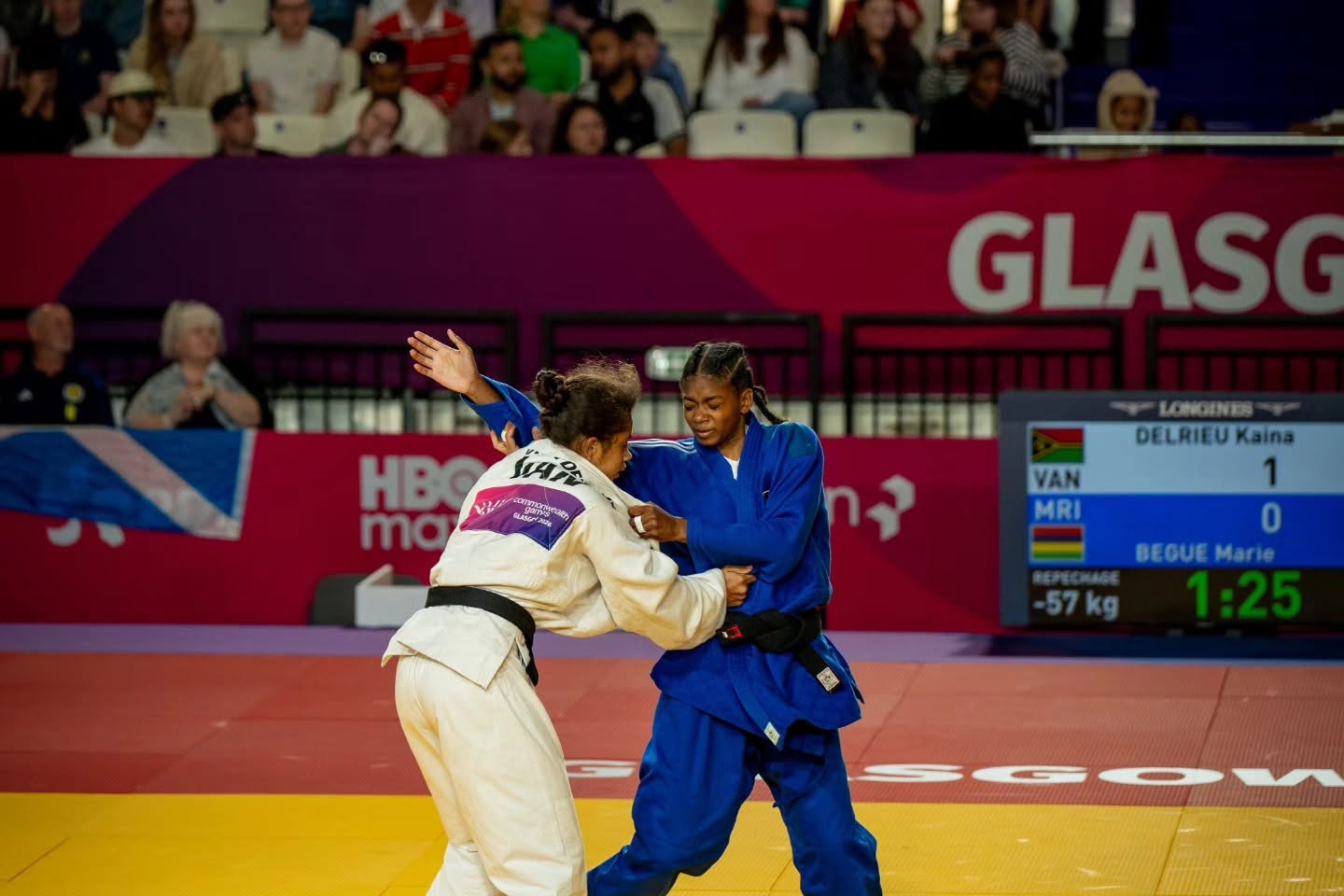
Priscillia Monthouel was one of three athletes from Vanuatu competing in the Judo events. (Credit: VASANOC (Vanuatu Association of Sports And National Olympic Committee)
One Pacific family
The Pacific story in Glasgow did not stop at national team boundaries. Across the teams representing Australia and Aotearoa New Zealand, athletes of Pacific heritage were among the Games’ standout performers.
New Zealand-born and Tonga-raised David Liti won weightlifting gold with a new Games record, while Fiji-born Eileen Cikamatana – who represented Fiji at the 2018 Games and now competes for Australia – claimed her third consecutive Commonwealth Games weightlifting title, also setting a Games record.
In netball, Martina Salmon and Mila Reuelu-Buchanan helped New Zealand’s Silver Ferns to gold, carrying Samoan, Tongan, Cook Islands and Tokelauan heritage onto the court. The bronze-winning women’s 3x3 basketball team from New Zealand also featured strong Pacific roots, with players including Ella Fotu of Tongan heritage, Sharne Pupuke-Robati of Cook Islands and Tongan heritage, and Azure Anderson of Maori and Tongan heritage.
Their achievements reflected the extraordinary reach of Pacific sporting talent and the strength of communities whose connections stretch across borders.
PNG sports journalist Jamie Haro saw that sense of family throughout the Games, telling ABC’s Pacific Beat that Pacific athletes regularly turned up to support one another across sports and national teams.
Athletes from some of the Commonwealth’s smallest nations competed with enormous ambition, made history of their own and celebrated every Pacific success as something worth sharing. It was the Pacific at its best – and everything the Commonwealth Games is meant to be about.
MORE STORIES
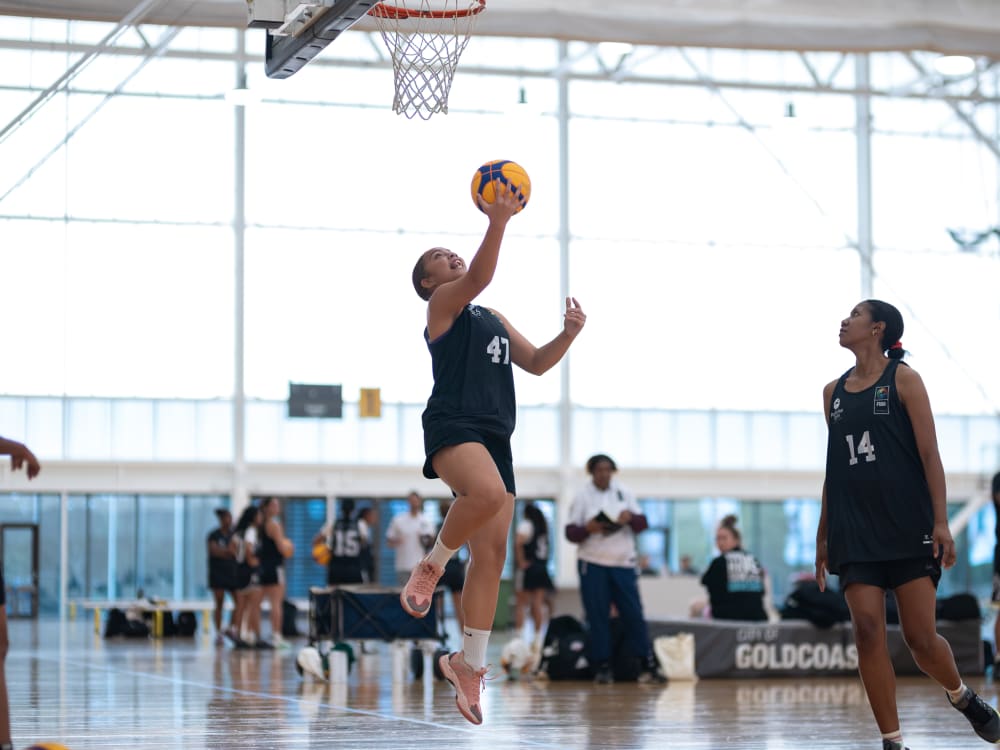
Pacific talent powers the rise of 3x3 basketball
29 June 2026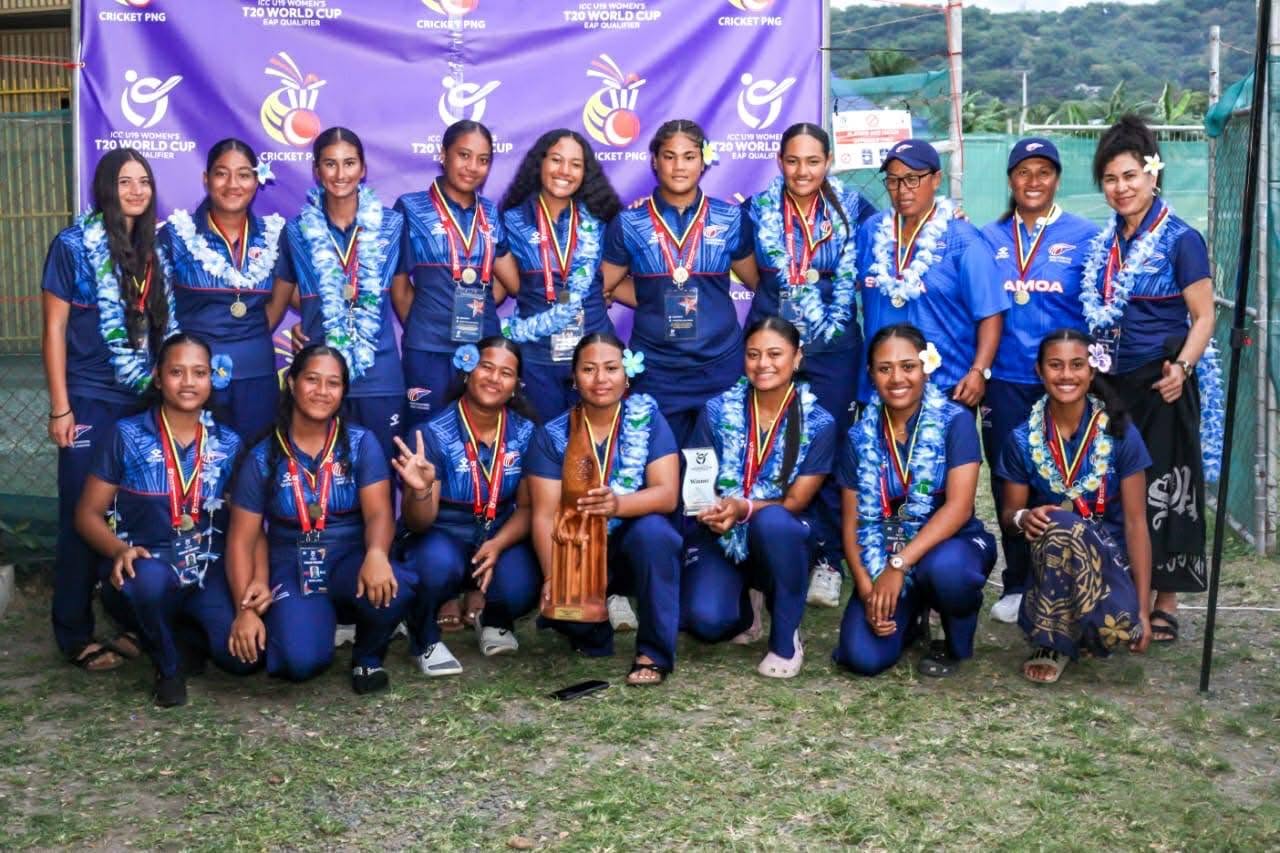
Samoa’s U19 women return to cricket’s world stage
28 May 2026- Cricket
- Samoa
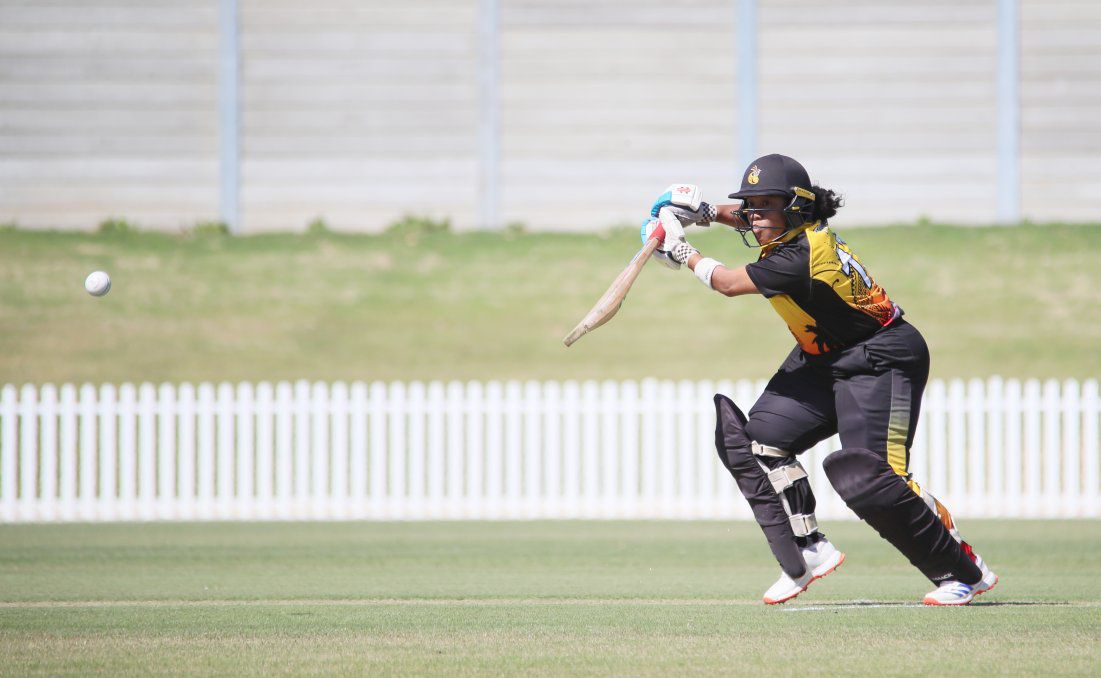
PNG’s women ready for the world
21 January 2026- Competition
- Cricket
- Papua New Guinea